
Fadé Adeniyi
Friday 20 November 2026
What to sell, who pays, the tools to learn and a plan for your first week, for each of the five. Plus a prompt to copy for every one.
An AI side hustle is a service you sell where AI does the slow parts and you do the thinking. This guide gives you five: content, automation, agents, video and websites. For each one you get what to sell, who pays for it, the tools to learn, a plan for your first week and a prompt to start.
I co-founded Techlerator, the company behind Xeruit. I've spent years building software for businesses. Every hustle here is a job businesses already pay people to do. AI makes you faster at it. It doesn't do the job for you, so you still need to learn it.
You don't need to know how to code for any of the five. You'll learn as you go. The prompts are there to help you start.
Learning every tool before you sell anything. It feels like progress, but nobody pays you for watching tutorials. Pick one hustle, learn the two or three tools it needs and make something you can show a real person this week.
The 5 hustles
Turn AI into a content production business. You make posts, carousels and scripts for people who don't have time to make their own. AI helps you plan and draft. You bring the ideas, the taste and the edit. Who pays: small business owners, coaches, consultants and founders who know they should post but never get round to it.
What you can sell
Your first week
Help me write my first offer for an AI content creation service.

WHO I WANT TO WORK WITH: [e.g. personal trainers in my city]
WHAT I'M GOOD AT: [e.g. writing, design, knowing the gym world]
WHAT I CAN MAKE: [e.g. carousels, LinkedIn posts, short video scripts]

1. List the five things these people most need to post about and why they don't get round to it.
2. Write my offer in one sentence: what I make, for who and how often.
3. Plan a one-week sample pack I can make for free to show them: three carousels and two posts, with a topic and a hook for each.
4. Write a short, friendly message I can send someone I already know who fits this.

Ask me any questions you need first. Don't invent results or numbers for me.
Help businesses automate repetitive tasks and build smarter workflows. You find a job someone does by hand every week, like copying form answers into a spreadsheet. Then you set up tools to do it for them. Who pays: small teams drowning in admin, like agencies, clinics, trades firms, recruiters and online shops.
What you can sell
Your first week
Help me turn a boring business task into an automation plan.

THE BUSINESS: [e.g. a small cleaning company]
THE TASK, IN THEIR WORDS: [e.g. "I copy every enquiry from the website form into a spreadsheet and email them back"]
THE APPS THEY USE: [e.g. Gmail, Google Sheets, their website form]

1. Write out every step of the task the way a person does it now.
2. Mark which steps a tool like n8n can do and which need a person to check.
3. Draw the automation as a simple list: what starts it, then each step in order.
4. List what could go wrong and how I'd notice.
5. Write a two-line summary I can show the owner, in plain English with no jargon.

I'm a beginner, so explain any term you use.
Build AI employees that can perform tasks, follow instructions and complete business workflows. An agent is AI that takes a goal, works out the steps and uses tools to finish the job, like answering a customer using the shop's help pages. Who pays: businesses with work that follows clear rules but changes every time, like support, hiring, sales and research.
What you can sell
Your first week
Help me design my first AI agent before I build anything.

THE AGENT: [pick one: customer support, recruitment, sales, research or personal productivity]
WHO IT WORKS FOR: [e.g. a small online shop]
THE JOB IN ONE SENTENCE: [e.g. answer delivery questions using the shop's FAQ]

Write me a one-page job description for this agent:
1. ROLE: what it does, in plain words.
2. WHAT IT CAN READ AND USE: files, inboxes, websites or apps.
3. WHAT IT MUST NEVER DO: for example, send anything, refund anyone or make promises.
4. WHEN IT HANDS OVER TO A HUMAN.
5. HOW I'LL TEST IT: ten real questions it should get right.

Then tell me the smallest version I could build this week in Claude Code.
Help brands and creators produce more video content without spending hours editing. You turn raw footage into finished short videos with cuts and captions. AI speeds up the slow parts, like finding the best moments. Who pays: creators, podcasters, coaches and brands who film more than they can edit.
What you can sell
Your first week
Here's the transcript of a long video: [PASTE TRANSCRIPT]

It's for [WHO THE CREATOR'S AUDIENCE IS].

1. Find the five best moments for short clips of 30 to 60 seconds. Give me the exact first and last line of each, so I can find them in the edit.
2. For each clip, say why it works on its own without the rest of the video.
3. Write an on-screen hook of under ten words and a short caption for each clip.
4. Rank the five from strongest to weakest.

Only use words that are in the transcript. Don't invent quotes.
Build websites, landing pages and simple software products for businesses. You describe what the business needs and AI tools write the code. You make the decisions about what goes on the page. Who pays: small businesses with no website or an old one, people launching something and founders who want to test an idea before hiring a developer.
What you can sell
Your first week
Help me plan a website for a small business before I build it.

THE BUSINESS: [e.g. a mobile dog groomer]
WHAT THEY WANT PEOPLE TO DO: [e.g. book a groom, call, fill in a form]
WHAT THEY HAVE NOW: [e.g. an Instagram page and no website]

1. List the pages the site needs and what goes on each one.
2. Write the words for the home page, in a warm, plain voice.
3. Tell me what I need from the owner first: photos, prices, opening hours or anything else.
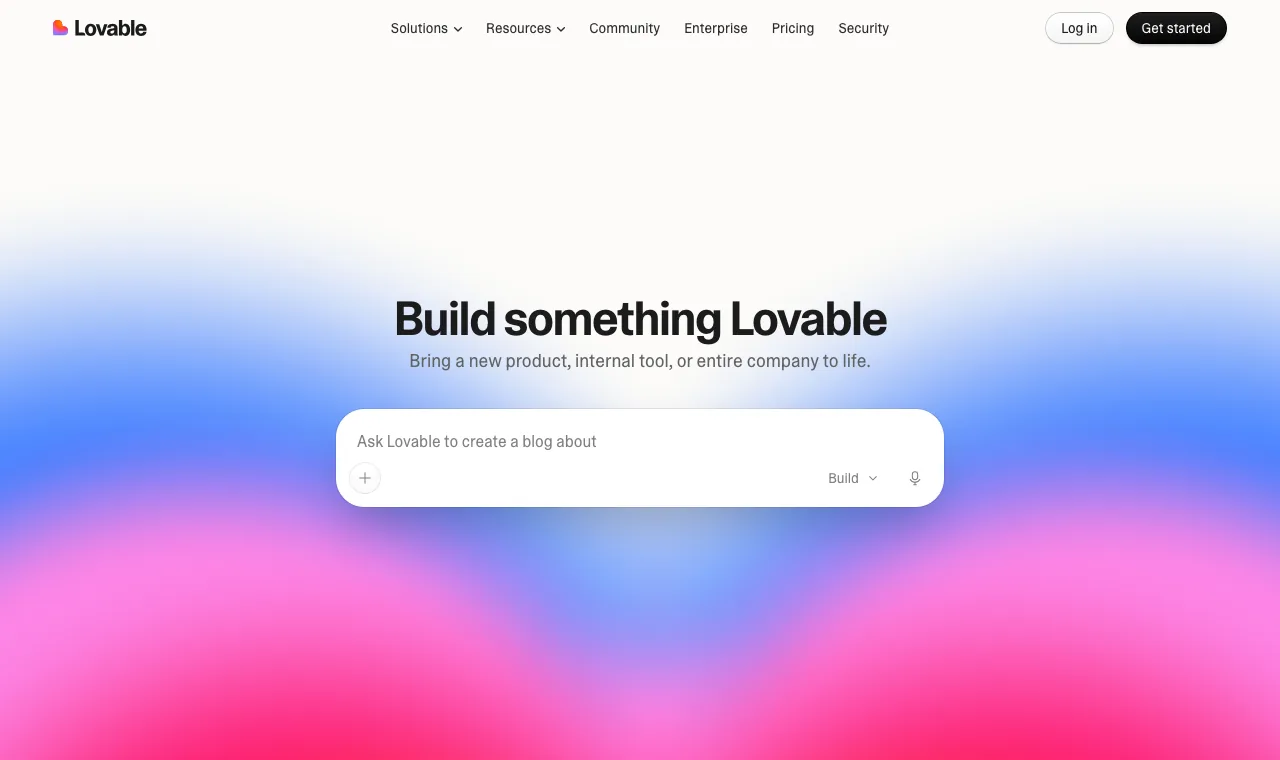
4. Write one prompt I can paste into Lovable or Bolt to build the first version.
5. Give me a checklist to go through before it goes live.

Don't invent reviews, prices or facts about the business. Leave a clear gap where I need the owner's details.
Pick the one closest to something you already like doing. You'll stick with it longer and you'll be better at it sooner. Then give it a few weeks before you judge it.
I run a lot of my own work on two of these. My business has a small team of Claude agents with one job each. My support agent drafts replies to people who buy from me and nothing she writes goes out until I've read it. My reels are edited with Claude Code too. That's why every prompt here keeps a person checking the work.
Starting all five at once. You'll do a week of each and decide none of them work. Pick one, sell it to one person and only then add a second.
What this guide won't do. It won't find you clients or promise you an income. The tools change fast, so check each one's own website for what it can do and what it costs. Some, like Claude Code, need a paid plan. When you handle a client's emails, customers or files, agree in writing what you'll do with that data.
This guide shows you where to start. You've got what to sell, who pays, the tools and a first week for each of the five. The hard part is doing day one, so do it tomorrow.
If you'd rather build it with me, that's what the Audacity to Build Challenge is for. Over 14 days we build the systems behind all five hustles together, one build a day. It starts live on Monday 23 November, 6pm to 8pm UK time.
Pick one hustle, learn its tools and build something someone will pay for.
Every tool named here is a real product, checked on 20 November 2026: Claude, Claude Code, Claude Cowork and the Claude Agent SDK (Anthropic), ChatGPT (OpenAI), Canva, MCP (Model Context Protocol), n8n, Adobe Premiere, CapCut, Lovable and Bolt. Features and plans change, so check each tool's site. This guide isn't financial advice and it doesn't promise any income.
The Audacity to Build Challenge is 14 days of building the systems behind all five hustles with me, one build a day. It starts live on Monday 23 November, 6pm to 8pm UK. Doors close at 11:59pm UK on Sunday 22 November.
If this was useful, follow me. I share what I am actually building, the tools that survive my own testing, and the ones I quietly cancel. New plays every week.
Pop in your name and email and the guide is yours.